
兄 Meaning, Readings, and Vocabulary | Onyomi キョウ / Kunyomi あに
The kanji 兄 is a basic kanji meaning 'older brother' in a family.
Its onyomi is キョウ (or ケイ) and its kunyomi is あに. It is frequently used in family-related vocabulary.
It is important to know the difference between referring to your own older brother (兄) and someone else's older brother (お兄さん).
Kanji at a glance
Core meaning / core image
The kanji 兄 primarily refers to an older male sibling, or 'older brother'. In Japanese, different words are used when talking about your own older brother versus someone else's, so it is best to use them carefully depending on the context.
A person speaking out loud while performing an ancestral rite
Kanji structure breakdown
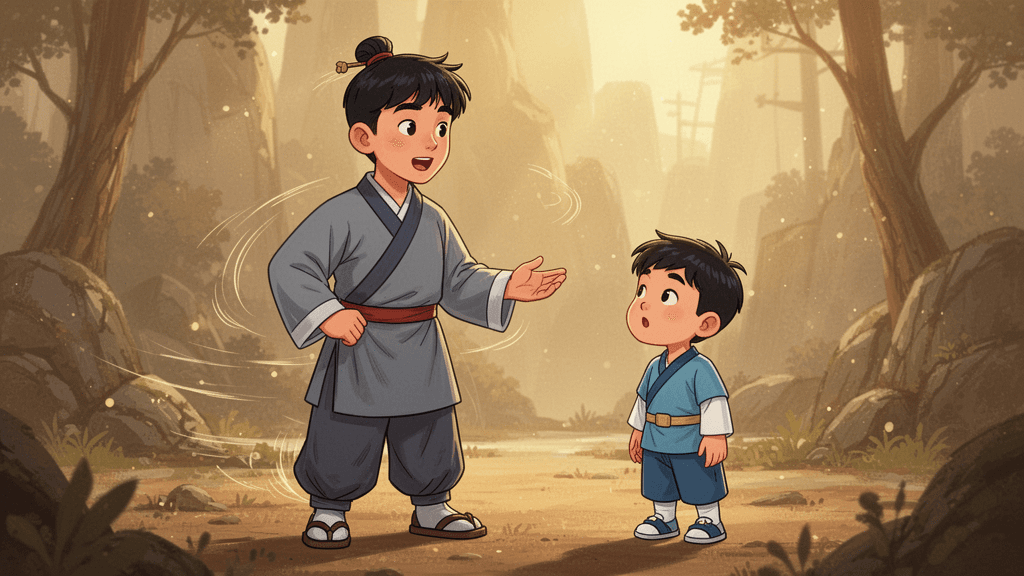
Mnemonic story
This character depicts a person (儿) opening their mouth (口) wide to speak during an ancestral rite. It came to mean the older brother (兄) who leads the younger siblings on behalf of the family.
On'yomi and kun'yomi
On reading
Kun reading
Commonly used words
Example sentences
Mini quiz
Which of the following is the most natural expression to use when introducing your own older brother to someone else?
One-line summary
The kanji 兄 means 'older brother' who leads the family. It is important to distinguish between あに and お兄さん depending on the situation.
FAQ
Do women also use 兄 when talking about their older brother?
Yes, that's correct. In Japanese, there is no kanji distinction between an older brother spoken of by a male or a female; both are expressed as 兄 (あに) or お兄さん (おにいさん).
Does 兄弟 (きょうだい) only refer to male siblings?
Basically, it means male siblings, but in everyday life, it is often used to refer to all 'siblings' collectively, including brothers and sisters.
